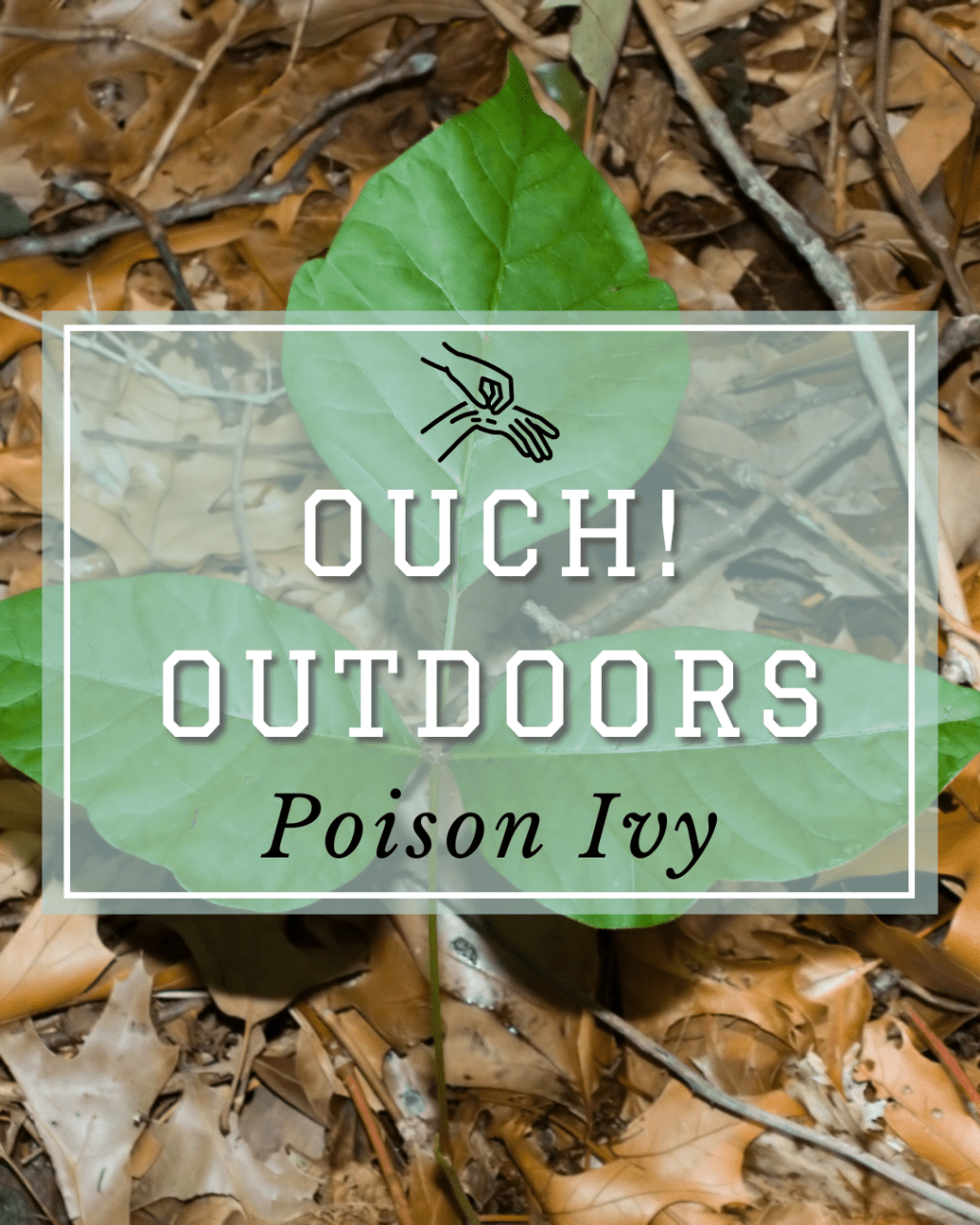
When you’re out enjoying the trails or setting up camp, nothing ruins the vibe faster than an unexpected brush with poison ivy. It’s sneaky, super common across North America, and for many people, it causes an itchy, blistering rash that can last for weeks. But with a little knowledge, you can learn to spot it, avoid it, and treat it if you do come in contact.
🌿 How to Identify Poison Ivy
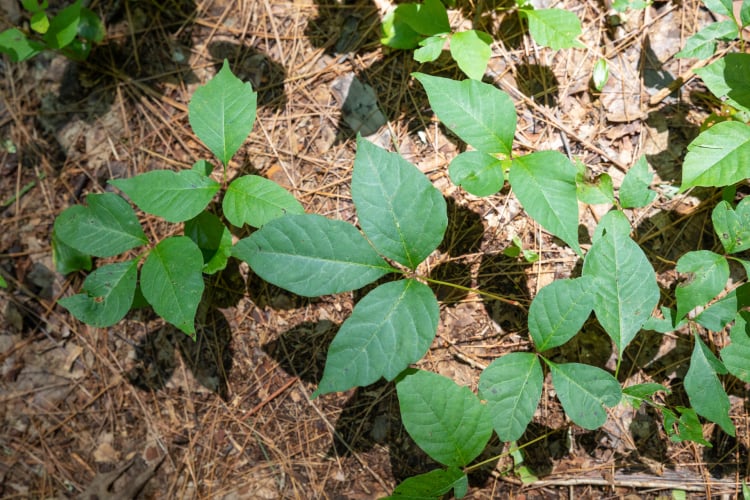
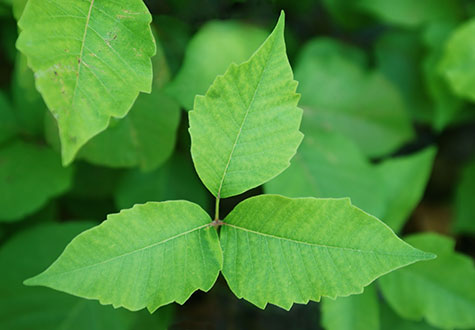
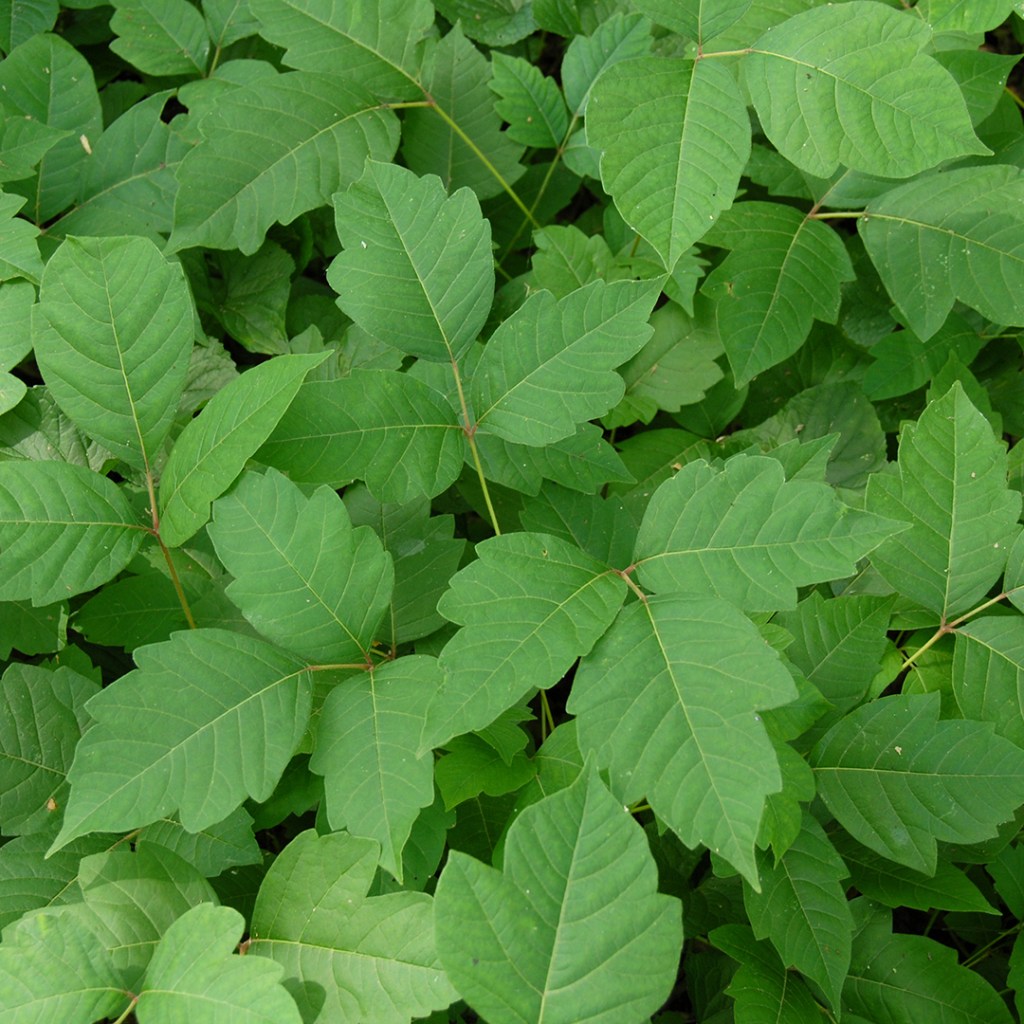
You’ve probably heard the old saying: “Leaves of three, let it be.” That’s your first clue.
Here’s what to look for:
- Three leaflets per stem – usually one in the center and two on the sides.
- Leaf shape can vary but often has slightly jagged or smooth edges.
- Color changes with the seasons: reddish in spring, green in summer, and yellow/orange in fall.
- It grows as a ground cover, shrub, or climbing vine (often with hairy-looking aerial roots if it’s climbing a tree).
Poison ivy is often found along the edges of trails, near water sources, or growing at the base of trees. It’s good at blending in—so staying alert is key.
😬 What Happens If You Touch It?
Poison ivy contains an oil called urushiol, which is the culprit behind the itchy reaction. It can:
- Stick to your skin, clothes, gear, and even pet fur.
- Cause an itchy, red rash with blisters and swelling.
- Appear anywhere from a few hours to several days after exposure.
- Not spread person-to-person, but the oil can if it’s still present.
🛡️ How to Prevent Poison Ivy Reactions
- Learn to recognize it. Seriously, it’s worth practicing!
- Wear long sleeves, pants, and gloves when hiking, bushwhacking, or gathering firewood.
- Use a barrier cream like IvyX or Tecnu Protect if you’re in high-risk areas.
- Keep pets leashed—they can carry urushiol on their fur.
- Clean gear and clothes with soap and water or rubbing alcohol if you think you came into contact with it.
💧 What to Do If You’re Exposed
- Wash the area immediately (within 10–15 minutes if possible) with cold water and soap. Tecnu or dish soap works great.
- Don’t scratch—easier said than done, but it can cause infection.
- Apply calamine lotion, hydrocortisone cream, or cold compresses to relieve itching.
- Antihistamines like Benadryl can help with discomfort, especially at night.
- See a doctor if:
- The rash is near your eyes, mouth, or covers a large portion of your body.
- It’s not improving after a few days.
- You develop a fever or signs of infection.
🌲 Stay Safe, Stay Itch-Free
Poison ivy is part of the wild world we love, but it doesn’t have to ruin your adventure. Stay aware, pack smart, and teach your crew what to look out for. Trust us—those leaves of three are not your friends.
Have your own itchy horror story or prevention tip? Share it in the comments—we love hearing from the trail!
 Throwdown Adventures
Leave a comment